


How To Use LED Light Strips Without Power Supply?
LED light strips cannot operate without an electrical power source. However, they may be used without a separate exposed metal power-supply box by choosing a compatible plug-in adapter, battery pack, power bank, USB source, solar system or another device that already provides the strip’s required DC voltage.
The important rule remains unchanged: the voltage, polarity and available current must match the LED strip.
“Without a Power Supply” Usually Means Without a Separate Driver Box
Every illuminated LED strip receives power from somewhere. A wall adapter contains an AC-to-DC power supply inside its plastic housing. A power bank stores energy and regulates its USB output. A battery provides DC electricity directly, while a solar installation normally uses a battery and charge controller.
The real question is therefore not whether LED strips can work with no power, but which alternative power source can operate them safely.
Option 1: Use a Plug-In DC Adapter
A plug-in adapter is one of the simplest solutions for a short indoor LED strip. It combines the power-conversion electronics and wall plug in one enclosure, removing the need for a separately mounted metal supply.
Before connecting it, confirm:
The adapter output voltage matches the strip.
The output is DC.
The adapter provides enough current.
The connector size and polarity match.
The adapter is approved for the destination market.
The product is used only in a suitable indoor environment unless otherwise rated.
For a 12V strip requiring 36W, the minimum current is:
36W ÷ 12V = 3A
A 12V adapter must therefore provide at least 3A, with additional capacity advisable for stable continuous operation.
Option 2: Use a Battery Pack
Battery power makes LED strips portable and can support temporary displays, costumes, exhibition booths and emergency demonstrations.
The battery voltage must suit the LED strip. Eight 1.5V alkaline cells connected in series provide a nominal 12V, while rechargeable battery systems may require a voltage regulator or suitable battery-management circuit.
Runtime can be estimated from battery energy:
Estimated runtime = usable battery watt-hours ÷ LED load in watts
A 60Wh battery operating a 20W strip may provide less than three hours in real use after accounting for conversion losses, battery condition and discharge limitations.
Batteries must include suitable protection against short circuits, overcurrent, overcharging and excessive discharge. Loose cells or improvised wiring are not recommended for commercial installations.
Option 3: Use a USB Power Bank
USB strips designed for 5V can connect directly to a compatible power bank. Standard 12V LED strips cannot normally operate from a basic 5V USB output.
A voltage-converter cable may raise 5V to 12V, but the available output power is limited. Increasing voltage reduces the current available after conversion losses. This method is generally suitable only for short, low-power strips.
For example, a basic 5V 2A USB output supplies only 10W before conversion losses. It cannot reliably operate a long 12V strip requiring 30W or 50W.
USB Power Delivery equipment may support higher negotiated voltages, but only when the trigger device, cable and load are mutually compatible. Never assume a USB-C connector automatically provides 12V.
Option 4: Use a Vehicle Electrical System
A 12V LED strip may appear compatible with a vehicle battery, but vehicle voltage is not fixed at exactly 12V. It can rise while the engine is running and may experience electrical transients.
A vehicle installation should include:
A correctly rated fuse near the power source
Suitable voltage regulation where required
Reverse-polarity protection
Proper cable routing
Secure automotive connectors
Protection from heat and vibration
Compliance with local vehicle-lighting rules
Decorative strips must not obstruct required lights, distract the driver or create prohibited exterior lighting effects.
Option 5: Use a Solar and Battery System
A solar panel does not usually power an LED strip directly. Sunlight changes throughout the day, causing unstable voltage and current. A practical solar LED system normally includes:
Solar panel → charge controller → battery → regulated LED output
The battery supports operation when clouds reduce solar output or when lighting is needed at night. System sizing should account for daily LED energy consumption, local solar conditions, charging losses and the desired backup time.
Outdoor installations also require suitable enclosures, connectors and cable protection. Every component—not only the LED strip—must be selected for the environment.
Why Can’t a 12V Strip Be Connected Directly to a Wall Outlet?
A household wall outlet provides high-voltage AC power, while most LED strips require low-voltage DC. Direct connection can destroy the strip immediately and create a severe electric-shock or fire hazard.
The system must include an AC-to-DC conversion device, whether it is called a power supply, driver, transformer or adapter. The output specifications—not the product name alone—determine compatibility.
How Do You Know Whether an Alternative Source Is Large Enough?
Check the strip label for voltage and watts per meter. Multiply the power rating by the complete length and include controllers or accessories.
A five-meter strip rated at 12W per meter requires:
5m × 12W/m = 60W
At 12V, the strip draws:
60W ÷ 12V = 5A
A small battery holder, standard USB socket or low-current adapter will not support this load. A properly sized 12V supply is the more practical solution.
What Problems Indicate an Unsuitable Power Source?
The Strip Is Dim
The source voltage may be too low, the available current may be insufficient or the cable run may create excessive voltage drop.
The Strip Flickers
Flickering can result from an overloaded adapter, unstable converter, loose connector or incompatible dimmer.
The Power Source Becomes Hot
The connected load may exceed its capacity, ventilation may be insufficient or a terminal may have high resistance.
The Strip Turns Off After a Short Time
Protection inside the adapter, battery pack or converter may be responding to overload or overheating.
Brightness Changes Along the Strip
Long runs can experience voltage drop. Dividing the load into parallel branches or adding suitable power-injection points may improve consistency.
When Is a Dedicated LED Power Supply the Better Choice?
Alternative power methods suit short strips, portable displays and temporary demonstrations. A dedicated LED power supply is generally more appropriate for:
Long LED-strip runs
Channel letters
Advertising signs
Light boxes
Retail displays
Architectural lighting
Continuous daily operation
Outdoor installations
Multi-branch systems
Projects requiring predictable maintenance
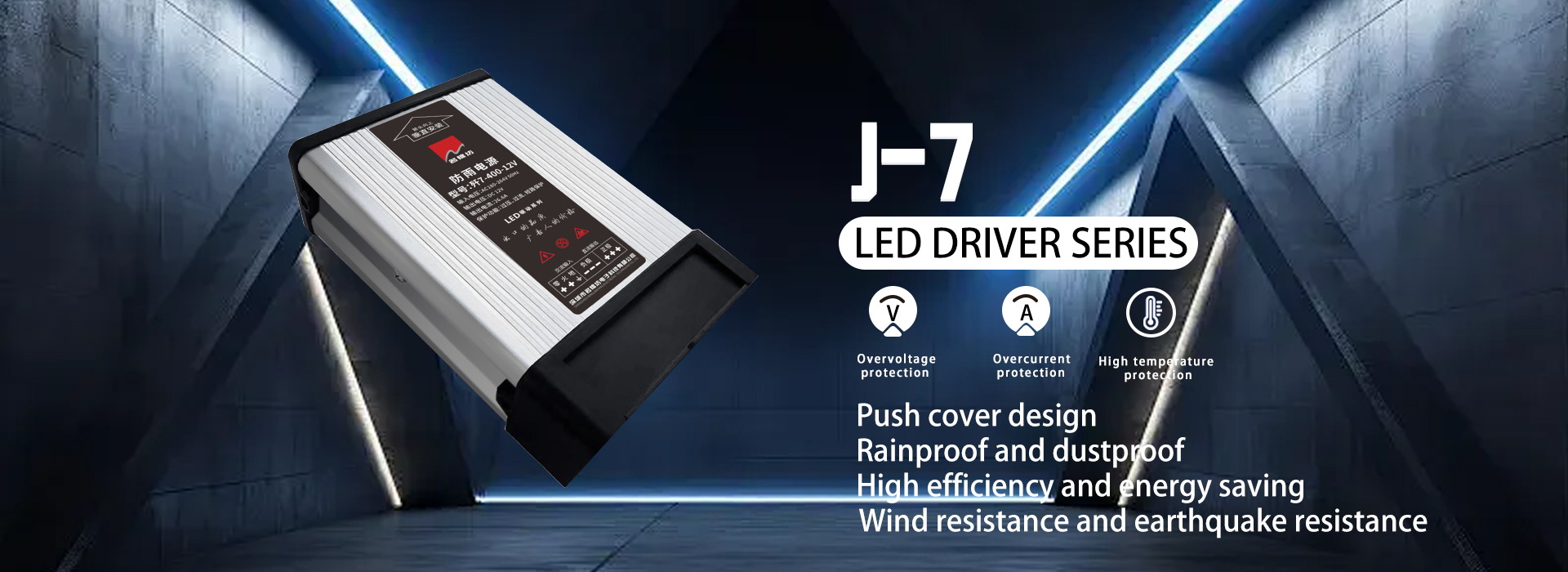
MINGWIN serves as an LED light strip power supply wholesale supplier for distributors, sign manufacturers and lighting contractors. Available categories include indoor power supplies, rainproof models and IP67 waterproof power supplies for different operating environments.
Factory supply is relevant when buyers need repeatable voltage and wattage configurations, consistent packaging and compatible models across ongoing projects. MINGWIN reports production through three factories with more than 500 employees and a sales network covering over 113 countries and regions.
Practical Selection Checklist
Before using any alternative power source, verify the following:
Does its output voltage exactly match the LED strip?
Is the output AC or DC?
Can it provide the complete required wattage?
Is the polarity correct?
Are the connector and wire size suitable?
Does it have overload and short-circuit protection?
Is it appropriate for the installation environment?
Can it operate for the required duration?
Will voltage drop affect the far end?
Does the installation comply with local electrical requirements?
Conclusion
LED light strips cannot work without power, but they can operate without a separate exposed power-supply enclosure. Plug-in adapters, batteries, power banks, vehicle systems and solar-battery arrangements are possible when they provide the correct regulated voltage and sufficient current.
Short portable strips may work well with an alternative source. Long, high-power or continuously operated installations normally require a dedicated LED power supply selected for the load and environment. Buyers can provide MINGWIN with the strip voltage, watts per meter, total length, operating location and order quantity to determine a suitable supply configuration.