


How To Connect Led Strip Lights To Power Supply?
LED strip lights can be connected to a power supply by matching the strip voltage with the correct power source, connecting the positive and negative terminals properly, and ensuring the total power capacity is sufficient.
Why Does An LED Strip Light Need A Power Supply?
Most LED strip lights require a power supply because the LED chips operate at low-voltage DC power rather than the standard AC electricity supplied by walls.
The power supply performs an important function:
Converts AC electricity into DC power
Provides stable voltage output
Protects LED components from unstable current
Using the correct power supply helps maintain:
Consistent brightness
Longer LED lifespan
Safer operation
What Types Of Power Supplies Are Used For LED Strip Lights?
The suitable power supply depends on the LED strip specifications.
Common options include:
12V Power Supply
Often used for:
Decorative lighting
Cabinet lighting
Small indoor projects
24V Power Supply
Commonly selected for:
Longer LED strip installations
Commercial lighting applications
Projects requiring reduced voltage drop
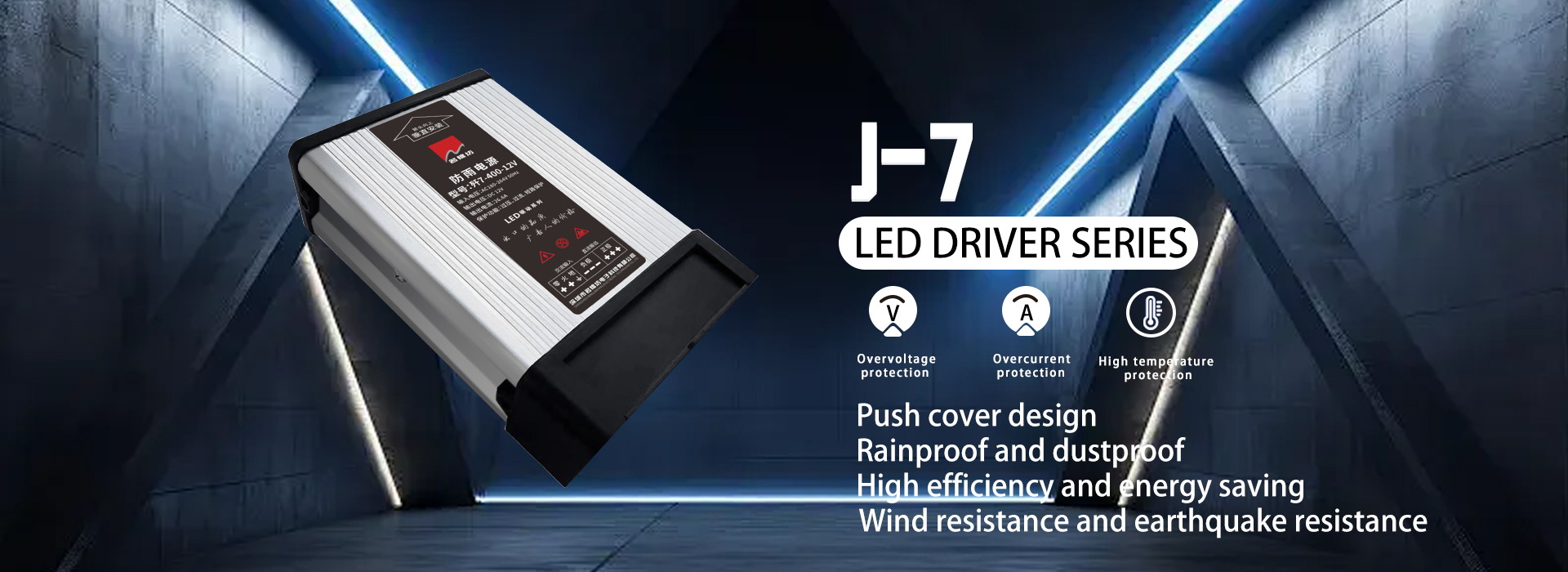
Waterproof Power Supply
Suitable for:
Outdoor lighting
Humid environments
Exterior applications
The power supply should always match the voltage requirement marked on the LED strip.
How To Calculate The Required Power Supply Size?
Before connecting LED strips, the power requirement should be calculated.
The basic calculation is:
LED strip power per meter × total strip length = total power consumption
A suitable power supply should have additional capacity above the calculated requirement.
For example:
LED strip rating: 10W per meter
Installation length: 5 meters
Total power: 50W
A power supply with slightly higher output capacity is usually selected to provide stable operation.
How To Connect LED Strip Lights Step By Step?
The basic connection process includes:
Step 1: Check The LED Strip Voltage
Confirm whether the strip requires:
5V
12V
24V
Connecting the wrong voltage may damage the LED strip.
Step 2: Identify Positive And Negative Terminals
LED strips normally include marked connection points:
Positive (+)
Negative (-)
The polarity must match the power supply terminals.
Step 3: Connect The Wires
Connect:
Positive wire to positive terminal
Negative wire to negative terminal
For professional installations, connectors or soldering methods may be used depending on project requirements.
Step 4: Test Before Final Installation
Before fixing the LED strip permanently, check:
Lighting performance
Connection stability
Brightness consistency
Testing first helps prevent installation problems.
What Happens If The Power Supply Is Too Weak?
An undersized power supply may cause:
Flickering lights
Reduced brightness
Overheating
Shorter product lifespan
For commercial lighting projects, correct power matching is especially important because longer LED strips require more stable power management.
Can Multiple LED Strip Lights Share One Power Supply?
Yes, multiple LED strips can share one power supply if the total power requirement stays within the power supply capacity.
However, large installations should consider:
Power distribution
Cable length
Voltage drop
Installation layout
Professional lighting projects often use separate power points or optimized wiring designs.
What Should Buyers Consider When Choosing LED Strip Light Solutions?
For wholesalers, contractors, and project buyers, product selection should consider:
LED Performance
Important factors include:
Brightness output
Color consistency
Energy efficiency
Power Compatibility
The system should match:
Strip voltage
Power requirements
Installation environment
Manufacturing Quality
A reliable supplier should provide:
Stable production
Product testing
Customized solutions
As an experienced LED Lighting Manufacturer, our factory focuses on providing reliable LED lighting products with attention to product performance and application requirements.
Can LED Strip Lights Be Customized For Projects?
Yes.
OEM lighting projects may require customization such as:
Different lengths
Various color temperatures
Waterproof designs
Special packaging
Customized solutions are commonly used for:
Commercial spaces
Architectural lighting
Retail displays
Select The Right LED Strip Power Solution
Connecting LED strip lights correctly requires more than simply attaching wires. Voltage matching, power calculation, and installation planning all affect final lighting performance.
For customized LED lighting projects or wholesale cooperation, submit your requirements through our inquiry channel.