


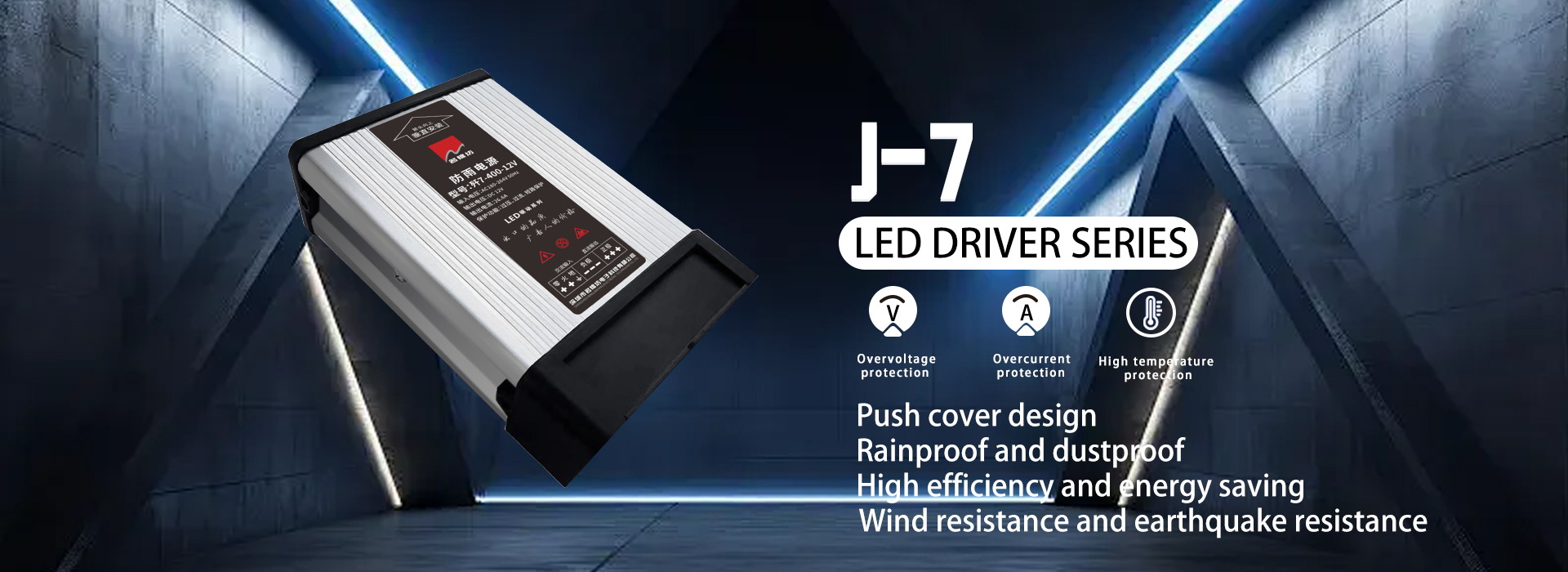
What Is A Power Supply for Led Lights?
A power supply for LED lights is the device that converts incoming electricity into the voltage and current an LED system can actually use. Without it, the light cannot run in a stable way. In simple terms, the power supply is the part that feeds energy to the LED and helps keep that energy under control. That is why it matters so much in real lighting projects. If the LED is the visible part of the system, the power supply is the part that quietly keeps everything working.
This topic sounds basic, but it is one of the most important questions in LED lighting. Many buyers focus first on the strip, module, or lamp itself. Then problems appear later. The light flickers. Brightness is unstable. Outdoor use becomes unreliable. The driver overheats. The installation becomes harder than expected. In many cases, the root cause is not the LED product alone. It is the mismatch between the LED and the power supply.
For importers, wholesalers, project buyers, and sign-making suppliers, this matters even more. They are not just buying a component. They are choosing whether the final lighting solution will run safely, consistently, and with fewer after-sales issues. That is why a good LED power supply is not a background accessory. It is part of the product value.
Why LED Lights Need A Power Supply
LED lights do not usually run directly from standard mains electricity in the same way many people imagine. They need controlled output. A power supply takes the incoming power and converts it into a form the LED system can accept. That usually means matching the correct voltage and providing stable performance so the lights can work properly over time.
This becomes especially important in commercial projects. A small indoor installation may seem forgiving, but larger applications are not. In signage, cabinet lighting, strip lighting, architectural accents, and outdoor decorative work, unstable power quickly turns into visible problems. Uneven output affects the whole project. It can damage customer trust and create extra replacement cost for distributors and contractors.
That is why professional buyers usually do not ask only what power supply is cheaper. They ask what power supply is suitable. That is the more useful question.
What A Power Supply Actually Does In A LED System
A LED power supply does more than simply send electricity forward. It helps regulate how that electricity reaches the light. When the output is matched correctly, the LED runs more smoothly, with better brightness consistency and more dependable operation. When the output is wrong, even a good lighting product can perform badly.
This is one reason experienced buyers pay attention to voltage and wattage from the start. If the system needs a certain output and the power unit is undersized, the result may be unstable or short-lived. If the project is oversized without a clear reason, cost control becomes weaker. For B-end customers, this balance affects quotation accuracy, project reliability, and long-term purchasing decisions.
Why The Right Power Supply Matters In Outdoor Lighting
A LED power supply becomes even more important when the installation is exposed to real environmental conditions. Indoor use is one thing. Outdoor use is another. Moisture, temperature change, dust, and installation conditions all increase pressure on the system. That is why buyers working in exterior lighting, signage, façade lighting, and outdoor strip projects often look for rainproof or weather-resistant power supply options.
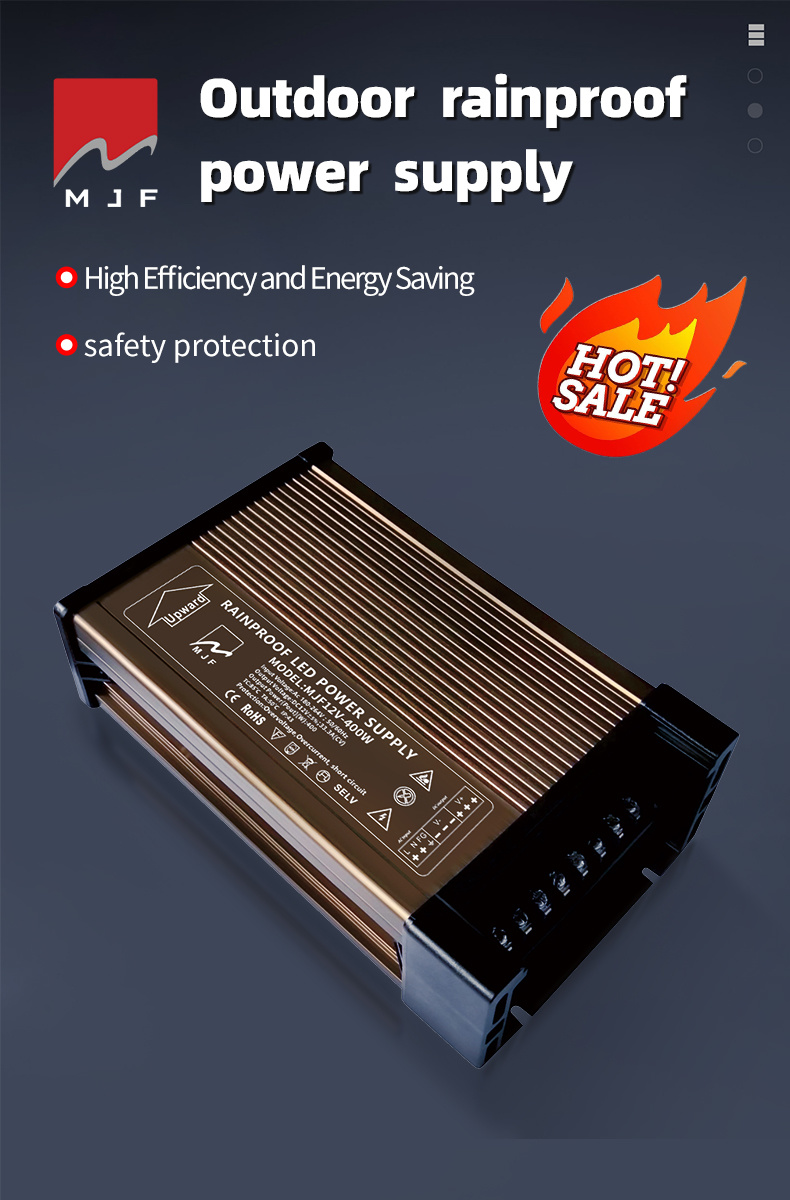
Our product fits naturally into this topic because it is a Rainproof Power Supply designed for LED lighting use. That makes it more relevant in projects where the installation environment is not fully protected. For contractors, wholesalers, and OEM customers, this matters because outdoor lighting is rarely judged only by brightness. It is judged by whether it keeps working after exposure to real use conditions.
A rainproof power supply also gives buyers a clearer product story. It is easier to position in outdoor signage, exterior decorative lighting, shopfront lighting, and semi-exposed installation environments where standard indoor power units may not be the right choice.
Why Buyers Often Have Problems With LED Power Supplies
Many sourcing problems happen because the power supply is treated as a secondary item. Buyers may choose the light carefully, then pick the power unit too quickly. That is when common issues begin. The first problem is mismatch. The second is weak durability. The third is confusion about installation conditions. A unit may work in testing but fail earlier in real use because the environment was harsher than expected.
There is also the issue of consistency in repeat supply. A buyer may receive one acceptable shipment, then find the next batch performs differently. For wholesalers and distributors, this creates a serious problem because customers expect stable output, not changing performance from order to order. This is one reason supplier selection matters as much as product selection.
A reliable supplier should help buyers understand which power range fits the application and which structure fits the installation environment. That kind of guidance reduces unnecessary failure risk and makes the sourcing process easier.
How To Choose A Suitable Power Supply For LED Lights
Choosing a power supply starts with understanding the LED application. The buyer should know the required voltage, estimated total load, and whether the project is indoor, outdoor, or semi-exposed. This sounds simple, but in practice it is where many projects go wrong. If the lighting plan changes and the power plan does not, the final result becomes unstable.
The next step is thinking about operating environment. In protected interiors, an indoor unit may be enough. But in outdoor or partially exposed applications, a rainproof power supply is often a more practical choice. The goal is not just to make the light turn on. The goal is to make the whole installation more dependable.
This is also why broad specification range can matter to B-end buyers. Our rainproof power supply line is useful in this context because buyers often need different outputs for different projects instead of one fixed option. That makes the sourcing process more flexible for distributors, project suppliers, and wholesale customers who serve multiple installation types.
Why A Good Supplier Changes The Whole Project
A LED power supply may look like a standard product, but supplier capability still makes a major difference. A good supplier does more than quote a unit price. It helps customers reduce mismatch, understand application fit, and build a more stable supply plan. This matters in OEM, private label, and bulk order programs where long-term consistency is often more important than short-term low pricing.
For many project buyers, the real pain point is not just the product itself. It is the uncertainty behind it. They worry about lead time, repeat quality, specification confusion, and whether support will still be there if an order needs adjustment later. A supplier that understands these commercial concerns becomes more valuable than a factory that only offers a catalog.
That is why power supply sourcing is often a business decision, not just a technical one. When the supplier can support stable product selection and practical guidance, the buyer has a better chance of reducing complaints and improving delivery confidence.
Why Rainproof Power Supply Has Stronger Commercial Value
In many LED projects, especially signs, strip lighting, and outdoor decorative applications, the power supply is expected to perform quietly for long hours without drawing attention to itself. That means reliability matters more than appearance. A rainproof design adds practical value because it fits more real-world installations and helps buyers position the product more confidently.
For a distributor, this can mean fewer questions from downstream customers. For a contractor, it can mean a smoother installation plan. For a wholesaler, it can mean a product line that is easier to sell into common exterior-use scenarios. In this way, the power supply becomes part of the overall lighting solution rather than just an add-on item.
Conclusion
So, what is a power supply for LED lights? It is the device that converts and controls electricity so LED lights can run with the correct voltage and more stable performance. In real projects, it does much more than simply power the light. It helps decide whether the whole system will be dependable, efficient, and suitable for the intended environment.
That is why choosing the right power supply matters so much in LED sourcing. A rainproof power supply is especially useful when the installation may face outdoor or semi-exposed conditions, and it gives buyers a more practical option for long-term project use. If you are reviewing LED power supply options for wholesale, OEM, or project purchasing, contact us with your voltage, wattage, and application needs. We can help you sort out a more suitable solution and make your sourcing decision clearer from the start.