


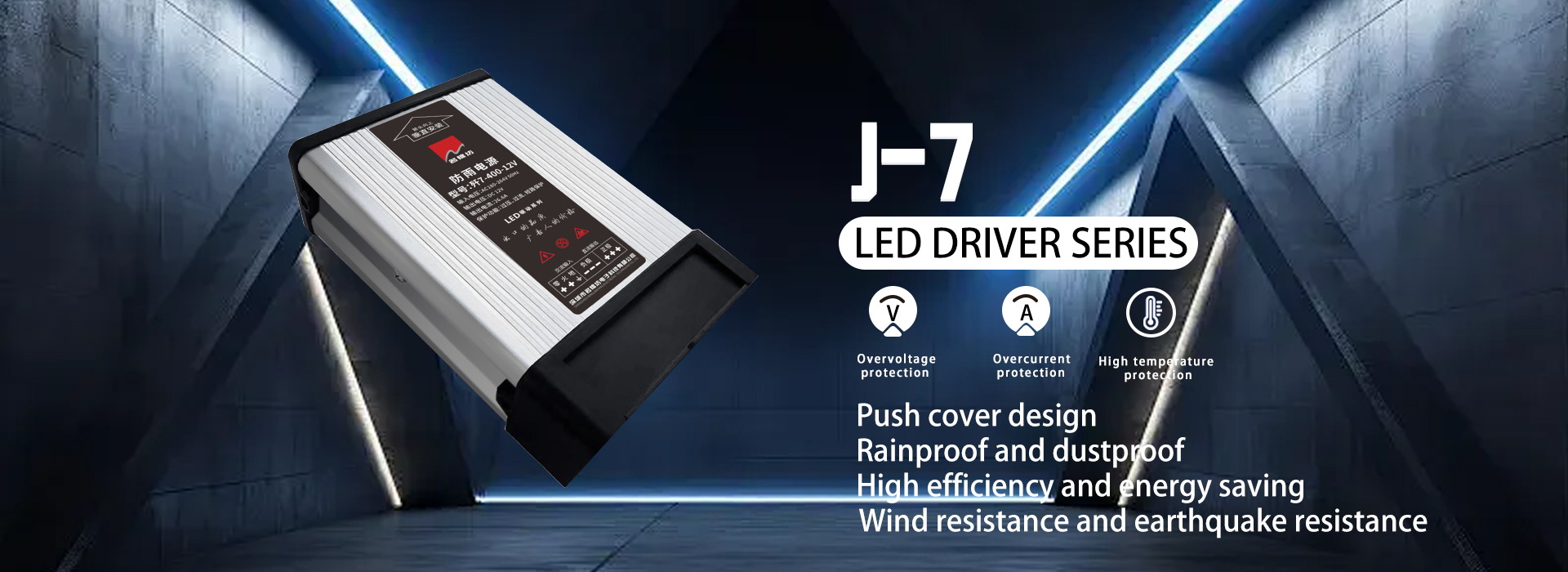
What Size Power Supply for Led Strip Lights
Choosing the correct power supply for LED strip lights is critical for performance, safety, and long-term reliability. LED strips are popular for residential, commercial, and decorative projects, but they depend heavily on receiving the right amount of power. If the supply is undersized, the strips may flicker, dim unevenly, or shut off unexpectedly. If oversized without proper planning, the system may generate unnecessary heat or waste energy. The goal is to calculate the correct power size based on the strip’s voltage, wattage consumption, length, and installation configuration. Using a high-quality supply—such as those available from MINGJINFANG’s MINGJINFANG LED power supply products—ensures the LED strips operate at full brightness with stable output.

1. Understanding Voltage Requirements Before Choosing a Power Supply
The first step in determining the right size power supply is identifying the LED strip’s voltage specification. Most LED strips operate on either 12V DC or 24V DC, though specialty systems may use 5V, 36V, or other values. The power supply must match the strip’s voltage exactly—mixing voltages is a common cause of strip failure.
LED strip voltage is determined by how LEDs are wired internally. In a 12V strip, three LEDs and a resistor often form a small series group; in a 24V strip, groups contain more LEDs. Higher voltage strips typically allow longer runs with less voltage drop. Regardless of internal design, choosing a power supply with the wrong voltage damages LEDs instantly, while correct voltage ensures consistent brightness along the entire strip.
Before moving to wattage calculations, confirm the strip’s voltage label or datasheet. Products such as MINGJINFANG’s MINGJINFANG LED power supply products offer both 12V and 24V options, making it easy to match the appropriate voltage to the strip type.
2. Calculating Total Wattage: The Key to Selecting Power Size
Once voltage is understood, wattage calculation determines the minimum size of the power supply. LED strips list power consumption in watts per meter. To calculate total system wattage, multiply the strip’s wattage rating by the total installed length.
Formula:
Total Wattage = Power per Meter × Number of Meters
For example, if a strip consumes 12W per meter and you use 6 meters:
Total Wattage = 12W × 6 = 72W
This number represents the minimum power the supply must deliver. Multiple strips in parallel require individual wattage calculations before summing them into a total load.
Below is a reference table summarizing common LED strip wattages:
| Strip Type | Voltage | Typical Wattage per Meter | Notes |
|---|---|---|---|
| 3528 LED Strip | 12V | 4–6W/m | Accent lighting |
| 5050 LED Strip | 12V | 12–14W/m | Medium brightness |
| 2835 High-Density | 24V | 14–20W/m | Commercial applications |
| COB LED Strip | 24V | 10–15W/m | Uniform, dot-free light |
| RGB LED Strip | 12V/24V | 10–18W/m | Higher power during color mixing |
This wattage calculation forms the basis for selecting the correct power supply capacity. After determining total wattage, it is essential to incorporate a safety margin, which ensures stable operation and avoids overloading the supply.
3. Adding a Safety Margin: Why LED Strips Need Extra Capacity
LED strip lights do not consume constant wattage. Brightness changes, RGB color shifts, and startup surges all alter power demands. Because of these fluctuations, power supplies should never be sized at exactly the LED strip’s calculated wattage.
The general rule is to add a 20%–30% safety margin to the total wattage. This ensures that the power supply operates below maximum capacity, improving efficiency and extending its lifespan.
Example Calculation with Safety Margin
If total LED load is 72W:
Minimum power supply size with 20% margin:
72W × 1.2 = 86.4W → 90W supplyWith a 30% margin:
72W × 1.3 = 93.6W → 100W supply
Choosing a power supply with slightly higher wattage provides:
More stability during peak brightness
Reduced thermal stress
Longer operating life
Better efficiency under partial load
High-quality power supplies—like those from the MINGJINFANG LED power supply products catalog—are designed to maintain stable voltage and current even when operating under varying power demands.
4. Current, Voltage Drop, and Installation Layout
The physical layout of LED strips affects power supply selection. Current draw increases with strip length, and voltage drop may occur if the installation is long or wiring is thin. Voltage drop causes LEDs farther from the power source to appear dimmer because they receive lower voltage than intended.
To prevent voltage drop:
Use thicker gauge wiring for long distances.
Power large installations from both ends of the strip.
Add intermediate power injection points.
Current (in amps) is calculated using:
Current = Total Wattage ÷ Voltage
For example, the 72W, 12V system consumes:
72W ÷ 12V = 6A
Adding a 30% safety margin:
6A × 1.3 = 7.8A → Choose at least an 8A power supply
Understanding current requirements ensures cables and connectors are sized correctly, preventing overheating or inefficient power delivery.
This installation planning matters even more in environments with long or interconnected lighting runs. Reliable units like those from MINGJINFANG LED power supply products are built to maintain voltage consistency across diverse installations, reducing the likelihood of dimming or color shift.
5. Matching the Right Type of Power Supply to the Strip System
Beyond size, the type of power supply matters. LED strip lights work with several different styles of power supplies depending on the installation environment, control system, and power requirements.
Common Power Supply Types for LED Strips
Desktop-style adapters:
Ideal for small residential strips or desk lighting projects.Enclosed metal power supplies:
Used for larger installations requiring stable ventilation and higher output.Waterproof power supplies:
Required for outdoor strips or damp locations like patios and signage boxes.Slimline LED drivers:
Used in cabinetry or narrow spaces where form factor matters.Dimmable LED drivers:
Necessary when the strip system includes dimmers or smart lighting controllers.
Choosing the correct category ensures the power supply fits physically and electrically within the installation.
The lineup from MINGJINFANG LED power supply products includes multiple power supply formats, allowing users to match performance, durability, and environmental needs precisely to their LED strip lighting project.
6. Power Supply Selection: Putting the Calculation Into Practice
After computing wattage, applying the safety margin, confirming voltage, and evaluating installation conditions, selecting the right power supply becomes straightforward. A properly sized unit ensures the LED strips reach their full brightness, avoid flickering, and maintain consistency over long operating periods.
A general workflow for selecting the correct supply is:
Identify strip voltage (12V or 24V).
Multiply wattage per meter by total strip length.
Add 20%–30% safety margin to the result.
Convert wattage to current if needed (W ÷ V).
Choose a supply type based on environment and installation style.
Select a reliable model that provides clean, stable output.
Working through these steps guarantees optimal performance for both simple and complex LED strip installations. High-quality power supplies from trusted manufacturers—such as MINGJINFANG—provide overload protection, stable voltage output, and long-term durability, ensuring the lighting operates safely and efficiently.
Summary
The correct size power supply for LED strip lights is determined by matching the strip’s voltage, calculating total wattage, adding a 20%–30% safety margin, and ensuring compatibility with the installation layout. Adequate current capacity and proper wiring prevent voltage drop and maintain brightness uniformity. Selecting a reliable, well-engineered power supply—such as those offered in the MINGJINFANG LED power supply products range—ensures long-term stability, safe operation, and consistent illumination across any LED strip lighting project.